








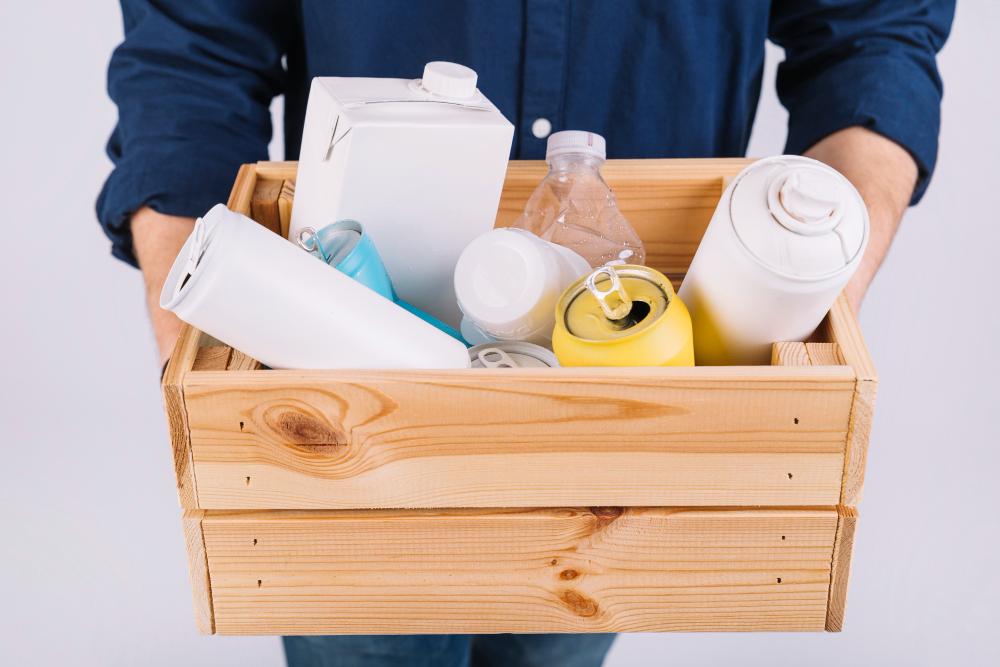
How to Sort Household Items Into Reusable, Recyclable and General Waste

Clearing a home often reveals unwanted furniture, clothes, kitchen equipment and packaging. Instead of throwing everything away, sorting belongings into reusable, recyclable and general waste can reduce landfill waste and give useful materials a second life.
Whether you are decluttering your property or arranging House Clearance in Kingswood, understanding how to sort household items makes the process easier and more environmentally responsible.
1. Understand the Three Waste Categories
Before starting, prepare three separate areas for reusable items, recyclable materials and general waste. Work through one room at a time to avoid mixing different belongings.
- Reusable items: Functional belongings that someone else can use.
- Recyclable items: Materials accepted by suitable recycling facilities.
- General waste: Items that cannot reasonably be reused or recycled through available services.
Some materials require specialist disposal and should be kept separate from ordinary rubbish.
2. How to Sort Common Household Items
Use this table as a quick reference when organising your household clearance.
|
Household items |
Category |
Recommended action |
|
Furniture in good condition |
Reusable |
Donate, sell or give away |
|
Clean clothes and shoes |
Reusable |
Donate or use textile reuse schemes |
|
Books and complete toys |
Reusable |
Pass to charities or community groups |
|
Paper and cardboard |
Recyclable |
Follow local recycling guidelines |
|
Glass bottles and jars |
Recyclable |
Use an accepted collection service |
|
Metal cans and tins |
Recyclable |
Empty and recycle appropriately |
|
Accepted plastic packaging |
Recyclable |
Check council requirements |
|
Contaminated packaging |
General waste |
Follow local disposal guidance |
|
Batteries and electrical equipment |
Special disposal |
Use authorised collection points |
Recycling rules vary between councils, so check whether a material is accepted before placing it in your recycling bin.
3. Prioritise Reuse Before Recycling
Reuse should be the first consideration when an item remains safe and functional. It extends the life of household products and reduces the need for new resources.
Furniture such as chairs, tables, wardrobes and shelves may be suitable for donation or resale. Clean clothing, curtains, books, kitchen utensils and complete toys can also benefit other households.
Consider these options:
- Donate suitable belongings to charity shops.
- Sell usable furniture through online marketplaces.
- Offer unwanted items to neighbours or community groups.
- Repair minor damage when practical and safe.
Before donating, check that items meet the organisation's requirements and remain in acceptable condition.
If you are planning House Clearance in Sevenoaks, separating reusable belongings first can also reduce the amount of waste requiring disposal.
4. Separate Recyclable Materials Correctly
Recycling helps recover materials that can be processed into new products. Common examples include paper, cardboard, glass bottles, metal cans and certain plastic packaging.
Empty containers before recycling them and follow local cleaning requirements. Flatten cardboard boxes to save space and remove excess packaging materials where practical.
Avoid placing greasy cardboard, contaminated packaging or unsuitable plastics into recycling collections. When uncertain, consult your local council's guidance to prevent contamination and ensure materials reach appropriate facilities.
5. Identify Items Requiring Special Disposal
Not every unwanted item belongs in general waste. Batteries, electrical equipment, fluorescent lamps, paint and chemicals may require specialist handling.
Bulky belongings, including mattresses, sofas, refrigerators and washing machines, also need careful planning. Depending on their condition, they may be suitable for reuse, retailer take-back schemes, council collections or authorised recycling facilities.
For larger clearances, House Clearance in Kingswood can be considered when professional assistance is needed to manage bulky belongings and separate different waste types responsibly.
6. Follow a Simple Sorting Checklist
Make your clearance more manageable by following these steps:
- Prepare separate bags, boxes or containers.
- Identify items suitable for donation, resale or reuse.
- Separate recyclable materials accepted by your council.
- Set aside electrical equipment and hazardous waste.
- Arrange appropriate collection for bulky belongings.
- Dispose of remaining general waste responsibly.
Key Takeaways
- Reuse or donate suitable belongings before disposal.
- Follow local recycling rules for different materials.
- Keep batteries, electrical equipment and hazardous waste separate.
- Arrange a suitable collection for bulky household items.
- Check disposal requirements when uncertain about an item.
Conclusion
Sorting household belongings into reusable, recyclable and general waste helps reduce unnecessary rubbish and makes property clearances more efficient. A simple sorting plan allows you to give useful items another purpose, recycle suitable materials and dispose of unwanted belongings responsibly.
By making thoughtful disposal decisions, households can save resources, reduce waste and maintain a cleaner environment for the future.
Also Read: Old Mattress Disposal in the UK: A Guide to Recycling and Collection


