








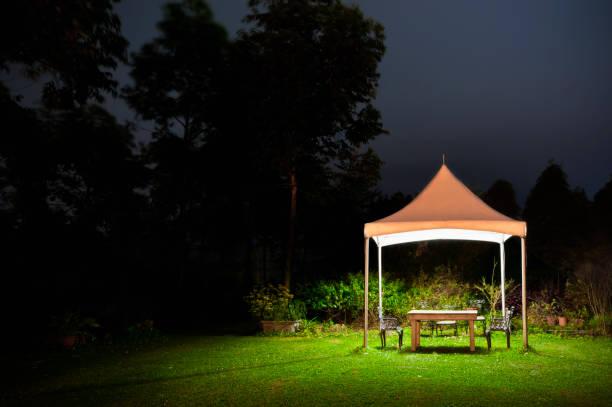
10x10 Pop Up Canopy: Uses, Features, Setup, and Maintenance Guide

A 10x10 pop up canopy is a portable shelter commonly used for outdoor events, markets, trade shows, community gatherings, sporting activities, and backyard functions. Its compact footprint and relatively simple setup make it a practical option for creating temporary covered spaces in different environments. Whether used by small businesses, event organizers, vendors, or individuals, this canopy style provides overhead coverage while allowing flexible arrangements for tables, displays, seating, and equipment.
Understanding the design, materials, setup requirements, and maintenance practices associated with a 10x10 pop up canopy helps users determine how it can meet their needs. Proper selection and care also contribute to safe operation and longer service life.
What Is a 10x10 Pop Up Canopy?
A 10x10 pop up canopy is a temporary shelter with a nominal footprint of 10 feet by 10 feet. This provides approximately 100 square feet of covered ground space, although the usable area can vary depending on the frame design, leg placement, and canopy shape.
Most models consist of a collapsible frame, a fabric canopy top, and supporting legs. The frame expands during setup and folds down for transportation and storage. Many designs use lightweight metal components and a fabric cover made from polyester or another weather-resistant material.
Some canopies include adjustable leg heights, carrying bags, sidewalls, or attachment points for accessories. These features vary by model, so the intended use and product specifications should be considered before selecting a particular design.
Common Uses for a 10x10 Pop Up Canopy
The versatility of a 10x10 pop up canopy makes it suitable for a range of temporary outdoor applications.
1. Trade Shows and Outdoor Exhibitions
Businesses frequently use portable canopies to establish temporary exhibition spaces at outdoor trade shows, fairs, and promotional events. The covered area can accommodate a display table, informational materials, samples, and limited seating.
A clearly organized layout helps visitors identify the purpose of the booth and access displayed materials. Where event rules permit, compatible sidewalls and signage can provide additional privacy, organization, or visual identification.
2. Farmers Markets and Vendor Stalls
Market vendors often require shelter for products, payment equipment, and display tables. A 10x10 pop up canopy can create a defined selling area while providing shade for vendors and visitors.
The canopy's footprint also helps vendors plan their stall layout around market regulations and neighboring booths. Adequate space should remain available for customer movement, accessible pathways, and safe placement of merchandise.
3. Sporting Events and Outdoor Activities
Sports teams, coaches, volunteers, and spectators may use canopies for temporary shade at tournaments, school events, and recreational gatherings. A covered area can accommodate chairs, coolers, supplies, and equipment that should remain out of direct sunlight.
However, the shelter should be positioned away from active playing areas and secured according to expected weather conditions. It should not be treated as protection against lightning or severe storms.
4. Backyard Gatherings and Community Events
A portable canopy can provide a shaded area for outdoor meals, family gatherings, neighborhood activities, and small celebrations. Tables and chairs can be arranged beneath the shelter to create a temporary gathering space.
The available coverage depends on the arrangement of furniture and the number of people using the area. Larger gatherings may require multiple shelters or a different-sized structure.
Important Features to Consider
Several design characteristics influence how a 10x10 pop up canopy performs in different settings.
Frame Construction
Canopy frames are commonly manufactured from steel or aluminum. Steel frames often provide substantial structural strength but may be heavier to transport. Aluminum frames are generally lighter and can be convenient for frequent travel and repeated setup.
Frame quality, joint construction, leg design, and locking mechanisms also affect stability and ease of use. The stated specifications should be reviewed to determine whether a particular canopy is appropriate for its expected frequency of use.
Canopy Fabric
The fabric determines how effectively the shelter provides shade and handles ordinary outdoor exposure. Polyester is widely used because of its relatively low weight and versatility. Some fabrics include coatings intended to improve water resistance or reduce ultraviolet exposure.
Fabric thickness alone does not establish overall quality. Stitching, seam construction, coating durability, and the manufacturer's care instructions are also important considerations.
Water resistance should not be confused with complete waterproofing. Prolonged rainfall, accumulated water, or wind-driven precipitation may exceed a canopy's capabilities.
Adjustable Height
Adjustable legs allow the canopy to accommodate different clearance requirements. A lower setting may provide additional shade, while a higher setting can create more headroom for visitors and equipment.
Height adjustments should follow the manufacturer's instructions, and all legs should be locked securely before the shelter is used.
Portability and Storage
A collapsible frame allows the canopy to be transported between locations and stored when not in use. A carrying bag can help keep the frame and fabric together during transportation.
The packed dimensions and total weight are important for people who regularly move equipment between event venues. Vehicle capacity, available storage space, and the distance between parking and the setup area may influence the most suitable design.
How to Set Up a 10x10 Pop Up Canopy
Correct setup helps maintain stability and reduces the risk of damage during use.
- Choose a suitable location. The ground should be reasonably level, clear of overhead hazards, and large enough to accommodate the canopy and its anchoring equipment.
- Inspect the components. The frame, canopy fabric, joints, and locking mechanisms should be checked for damage before assembly.
- Expand the frame carefully. At least two people can make handling easier and help prevent fingers from becoming trapped in moving joints.
- Attach and secure the canopy top. Fabric connections should be positioned according to the manufacturer's instructions.
- Extend and lock the legs. Each leg should be adjusted to the required height and secured using its designated locking mechanism.
- Anchor the shelter. Suitable stakes, weights, or other approved anchoring methods should be used according to the surface and expected conditions.
The canopy should be checked again after setup to confirm that its frame is fully extended and all required connections are secure.
Weather Safety and Stability
Although a 10x10 pop up canopy provides convenient temporary coverage, it is not a permanent building or an all-weather shelter. Wind can lift the canopy, shift its frame, or cause it to overturn. Rain can accumulate on the fabric, increasing the load on the structure.
Anchoring is necessary even when conditions initially appear calm. The appropriate anchoring method depends on the ground surface, frame specifications, and environmental conditions. Manufacturer-specified wind limits and operating instructions should always be followed.
The canopy should be taken down when conditions exceed its rated capabilities. It should not be used during thunderstorms or other severe weather, and people should move to an appropriate permanent shelter when necessary.
Cleaning and Maintenance
Routine care can help preserve the fabric and frame. After use, dirt and debris should be removed with cleaning methods compatible with the canopy material. Harsh chemicals and abrasive tools should be avoided unless specifically permitted by the manufacturer.
The canopy should be completely dry before storage to reduce the risk of mildew, unpleasant odors, and fabric deterioration. Frame joints, fasteners, and locking mechanisms should be inspected periodically for corrosion, bending, or wear.
Damaged components should be repaired or replaced using compatible parts. The shelter should be stored in a dry location away from excessive heat and sharp objects.
Conclusion
A 10x10 pop up canopy offers a flexible way to create temporary covered space for markets, exhibitions, sporting events, and outdoor gatherings. Its approximately 100-square-foot footprint, collapsible frame, and portable design make it suitable for many short-term applications.
Frame construction, fabric properties, portability, and anchoring requirements all influence its suitability for a particular setting. Careful setup, routine inspections, appropriate weather precautions, and proper storage can help maintain the canopy's condition and support safer use over time.


