








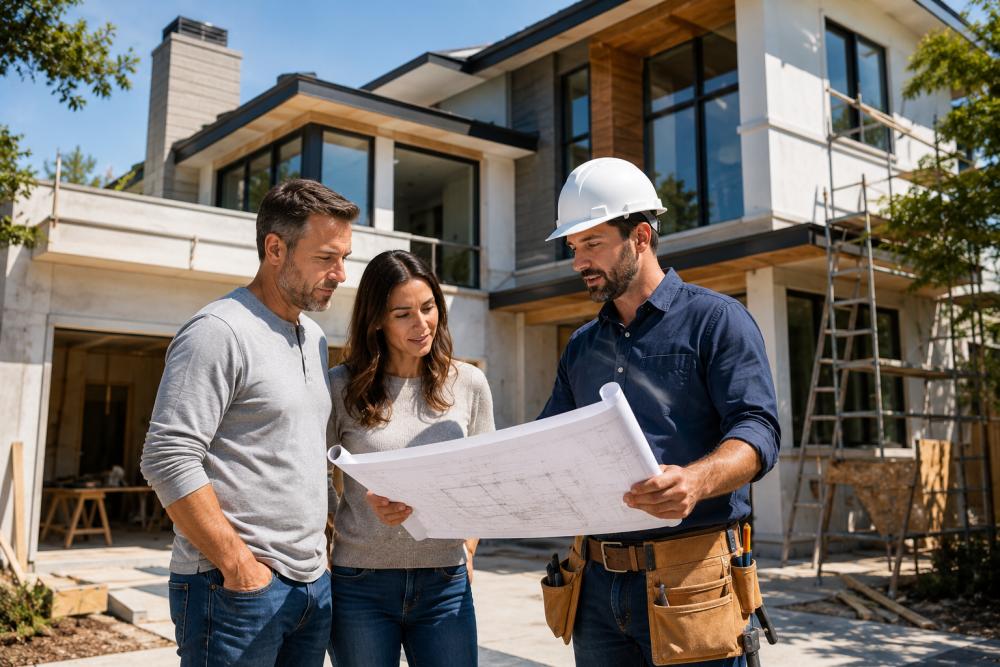
General Contracting in Mobile AL: Planning Renovations for Older Properties

Renovating an older property can be exciting, but it rarely goes exactly as planned.
A homeowner might want to update a kitchen, improve an outdated layout, or give an aging house a fresh appearance. A commercial property owner may want to prepare an older building for a new business. In both cases, the visible improvements are only part of the job.
Older properties can have worn materials, previous repairs, outdated building components, and conditions that are difficult to identify before work begins. What looks like a straightforward renovation may require a closer look before the first wall is opened or the old flooring is removed.
This is where general contracting in Mobile AL becomes especially relevant. Understanding the property's existing condition, deciding what should be preserved, and identifying what needs attention can help owners approach renovation with realistic expectations.
Why Older Properties Need a Different Approach
A newer building and an older property do not always present the same challenges.
In a newer home, the construction materials and building systems may be easier to identify. An older property, on the other hand, may have gone through several renovations over the years. One room might have been updated recently, while another still contains original materials or older repairs.
Sometimes, previous work has also concealed problems rather than resolving them completely.
Before planning a renovation, it helps to understand:
- Which building components are original
- What repairs have been completed previously
- Whether there are signs of moisture or deterioration
- Which areas need further inspection
- What the owner wants to preserve
- Which improvements are necessary for the property's intended use
These details provide a more realistic starting point than planning around appearance alone.
Look Beyond the Features You Want to Update
Most renovation projects begin with a clear idea of what the finished space should look like.
A homeowner may picture new flooring, fresh paint, updated cabinets, or a more open living area. A commercial property owner might want to improve the interior before leasing or using the space.
Those goals matter, but the condition of the existing building needs attention too.
For example, replacing flooring may seem simple until the old material is removed and damaged subflooring is discovered. Repainting a room may need to wait if moisture has affected the wall. Changing a layout may require additional evaluation if the proposed work affects structural components.
This does not mean every renovation will uncover major problems. It means the project should allow for the possibility that existing conditions may influence the work.
A general contractor can help identify areas that need further assessment and determine how those findings could affect the renovation plan.
Deciding What to Keep, Repair, or Replace
One of the biggest decisions during an older-property renovation is determining which existing materials can remain.
Replacing everything may increase costs unnecessarily, while keeping damaged materials can create problems after the renovation is complete.
The decision should depend on the condition of each component.
Keep: Materials that remain in suitable condition and fit the renovation plan may not need to be replaced.
Repair: Some components can continue serving their purpose after appropriate repairs.
Replace: Materials that are severely damaged, deteriorated, unsuitable, or no longer reliable may need to be removed.
Consider an older home with original interior doors and wood trim. If these features remain in good condition, preserving them may help retain the home's character. However, damaged subflooring or deteriorated framing may require attention even if the finished surfaces look attractive.
The goal is to make decisions based on the property's needs rather than assuming that older automatically means unusable or that original materials should always be preserved.
How Mobile's Climate Can Affect Older Buildings
Local conditions are another important consideration when planning renovations.
Mobile experiences high humidity, frequent rainfall, and periods of severe weather. Over time, moisture can affect building materials, particularly in areas where water collects or ventilation is limited.
Older properties may need closer attention around:
- Crawl spaces
- Roofs and attic areas
- Exterior walls
- Windows and doors
- Foundations and drainage areas
- Bathrooms, kitchens, and plumbing connections
For example, a homeowner may notice peeling paint near a window and assume the area simply needs repainting. Before refinishing the surface, it is worth determining whether water is entering around the window or whether another moisture source is involved.
Correcting the underlying issue before completing cosmetic work can help prevent the same damage from returning.
Not every older property has moisture problems, of course. An inspection should establish whether a concern exists rather than assuming it does.
Renovations Can Reveal Previous Repair Problems
Sometimes the challenge is not the original construction but the work completed afterward.
A property may have been remodeled several times, with different materials and methods used in different areas. Some repairs may have been completed properly, while others may need closer examination.
For instance, a new wall finish might cover older damage. A section of flooring could conceal an uneven or deteriorated subfloor. An addition may have different construction details from the original building.
When these conditions become visible, the project may need to be reassessed.
A general contractor can help identify the construction work required and explain when another qualified professional should evaluate a particular issue. Structural concerns, electrical hazards, and other specialized problems may require assessment by appropriately qualified professionals.
It is better to understand these conditions before covering them again with new materials.
Set a Realistic Budget Before Work Begins
Budgeting for an older-property renovation requires more than adding up the cost of the visible improvements.
The total project may include demolition, disposal, materials, labor, repairs, finishing work, and other costs associated with the property's condition.
Some expenses are predictable. Others depend on what is discovered during the renovation.
Property owners can make the budgeting process more manageable by separating the project into clear categories:
- Essential repairs
- Planned improvements
- Material and finishing choices
- Work that depends on further inspection
- A reasonable contingency for unexpected costs
It is also useful to distinguish between necessary repairs and optional upgrades.
If the budget becomes tight, this distinction helps the owner decide which work should take priority and which improvements could be postponed.
Any significant change to the scope should be discussed before additional work proceeds, with the likely effect on cost and timeline made clear.
Preserve Character Without Ignoring Practical Needs
Older homes and buildings often have features that are difficult to recreate, such as original woodwork, distinctive trim, older masonry, or architectural details.
Preserving these features can be worthwhile, particularly when they contribute to the property's character.
However, preservation should be balanced with the building's current needs.
A property owner might want to retain original flooring while improving the room's appearance. If the flooring is sound, refinishing could be an option. If sections are badly damaged, selective repairs may be more practical than either replacing everything or attempting to preserve every board.
Historic properties may also be subject to additional requirements, depending on their designation, location, and the nature of the proposed work. Those requirements should be checked before construction begins.
A thoughtful renovation considers both what makes the property distinctive and what is needed to keep it functional.
Questions to Ask Before Hiring a General Contractor
Before starting a renovation, property owners should have a clear conversation about the building and the work involved.
Useful questions include:
- What parts of the property should be evaluated before construction?
- Which existing materials may be worth preserving?
- What conditions could affect the original plan?
- What is included in the estimate?
- How will unexpected damage be handled?
- Are additional inspections or permits likely to be needed?
- Which decisions should be finalized before work begins?
These questions help establish expectations and make it easier to compare proposals from different contractors.
Final Thoughts
Renovating an older property is about more than making it look new. It involves understanding what is already there, recognizing which materials still serve their purpose, and deciding where repairs or improvements are needed.
For property owners considering general contracting in Mobile AL, taking time to assess the building before committing to a renovation plan can make a meaningful difference.
A careful approach helps protect valuable features, identify problems before they are concealed, and keep the project grounded in the property's actual condition.
The best renovation is not necessarily the one that replaces the most. It is the one that makes sensible use of what can be preserved, addresses what needs attention, and leaves the property better suited to its next chapter.
Also Read:
Water Damage Repairs in Mobile AL: Repair, Restore, or Replace?


