








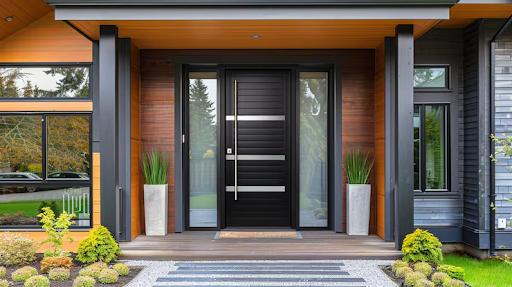
Custom Entry Doors: A Guide to Style, Materials, and Function

The entry door is one of the first architectural elements people notice about a home, making it both a functional necessity and a design statement. Custom entry doors allow homeowners and builders to move beyond standard, off-the-shelf options, tailoring size, material, and style to fit a property's specific architectural character and performance needs. Understanding the key considerations involved can help buyers make informed decisions during the design or renovation process.
Why Choose a Custom Entry Door
Standard doors are manufactured in a limited range of sizes and styles, which can be a challenge for homes with non-standard openings, unique architectural features, or specific design goals. Custom entry doors offer flexibility in dimensions, materials, glass configuration, and hardware, allowing the final product to align precisely with a homeowner's vision rather than settling for a generic fit.
Material Options for Custom Doors
Wood
Wood remains a popular choice for its natural warmth and traditional aesthetic. It offers strong customization potential in terms of finish, carving detail, and paneling but typically requires more maintenance to protect against moisture and temperature changes over time.
Fiberglass
Fiberglass doors are valued for their durability and low maintenance requirements. They can be manufactured to mimic the appearance of wood grain while offering better resistance to warping, cracking, and weather-related wear.
Steel
Steel doors provide strong security and durability at a generally lower cost than wood or fiberglass. They are well-suited for homeowners prioritizing strength and energy efficiency, though design flexibility can be somewhat more limited compared to other materials.
Design Elements to Consider
Glass and Lite Configurations
Decorative glass panels, sidelights, and transom windows can add natural light and visual interest to an entryway. Custom configurations allow for a wide range of glass styles, from simple clear panes to intricate decorative or frosted designs.
Hardware and Finishes
Handles, hinges, and locking mechanisms come in a variety of finishes and styles that can significantly influence the overall look of a door. Matching hardware finishes to other exterior elements helps create a cohesive appearance.
Panel Styles and Detailing
From simple, clean-lined panels to more ornate carved detailing, panel design plays a major role in defining a door's architectural style, whether the goal is a modern, traditional, or transitional look.
Performance Considerations
Beyond appearance, entry doors need to perform well in terms of insulation, security, and durability. Proper weatherstripping and quality core materials contribute significantly to energy efficiency, helping reduce drafts and temperature loss around the entryway. Reinforced frames and quality locking hardware also play an important role in the door's overall security performance.
Working with an Entry Door Supplier
Selecting the right entry door supplier is a critical part of the custom door process, as suppliers vary widely in the range of materials, finishes, and configurations they offer. A knowledgeable supplier can guide buyers through material trade-offs, help ensure accurate measurements for non-standard openings, and provide insight into which options best suit a given climate or architectural style.
Installation Considerations
Even the highest-quality custom door depends on proper installation for optimal performance. Accurate measurements, correct frame alignment, and thorough sealing are essential to prevent drafts, water infiltration, and premature wear. Working with experienced installers helps ensure that the finished product performs as intended.
Conclusion
Choosing a custom entryway involves balancing material durability, design preferences, and performance needs to create a door that suits both the home's architecture and the homeowner's practical requirements. Custom entry doors offer the flexibility to achieve exactly that. At TWD Supplies, we work with homeowners and contractors to source and supply doors tailored to these specific needs and preferences. Maintenance requirements vary by material, with wood generally requiring more regular attention than fiberglass or steel. Routine care, such as resealing wood surfaces or checking weatherstripping periodically, helps extend the lifespan of a custom door and maintain its appearance over time.


