








Can You Explain Adas Calibration After Collision Repair?

Modern vehicles depend on advanced driver assistance systems that rely on precise alignment of sensors, radar, and cameras. A collision, even at low speed, can shift these components out of position. ADAS calibration after collision repair restores system accuracy so safety features function correctly. Mobile adas calibration services also support on-site adjustments, helping repair facilities reduce downtime. Calibration ensures systems such as lane detection, emergency braking, and adaptive cruise control respond accurately. Without this process, vehicle safety technology may deliver incorrect readings or fail during critical driving situations.
What ADAS Calibration Means
ADAS calibration refers to the process of adjusting and resetting vehicle sensors and electronic systems to factory specifications. These systems include radar units, cameras, ultrasonic sensors, and control modules that communicate with each other. Calibration ensures that all components interpret road conditions correctly. Manufacturers provide precise measurements for alignment because even minor deviations affect performance. The process restores coordination between sensors and onboard computers so driver assistance features operate with accuracy under different driving environments and road conditions.
Why Calibration Matters After Collision Repair
Collision damage affects more than visible vehicle parts. Sensor mounts located behind bumpers, mirrors, and windshields can shift slightly during impact. This movement creates inaccurate readings that impact driving assistance systems. Incorrect alignment may cause false warnings or delayed responses. ADAS systems require precise calibration to function properly after repair work. Repair centers follow strict manufacturer procedures to ensure all systems are restored correctly. This step protects both driver safety and system reliability after structural or cosmetic vehicle repairs.
Key ADAS Systems Affected
Modern vehicles include multiple safety technologies that depend on accurate calibration. Each system uses sensors or cameras to detect road conditions and surrounding objects. Misalignment can affect performance and create safety risks.
- Forward collision warning systems
- Automatic emergency braking systems
- Lane departure and lane keeping assist
- Adaptive cruise control systems
- Blind spot monitoring systems
- Parking assist and surround view cameras
- Traffic sign recognition systems
These systems work together to improve driving safety, but they require precise alignment after any collision repair work.
Step-by-Step ADAS Calibration Process
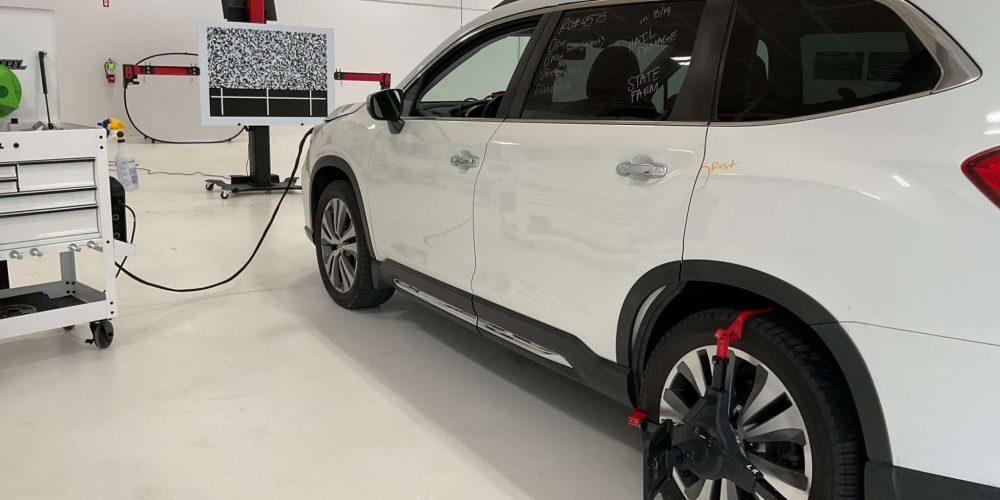
ADAS calibration follows a structured and technical process designed to restore factory accuracy. Technicians begin with a full diagnostic scan to identify error codes and system misalignments. After assessment, the vehicle is placed in a controlled environment with level flooring. Static calibration uses alignment targets and laser tools, while dynamic calibration involves controlled driving conditions. Both methods may be combined depending on manufacturer requirements. A final system scan confirms that all sensors are aligned correctly and operating without errors.
Factors Affecting Calibration Accuracy
Several factors influence the success of ADAS calibration. Even small inconsistencies can affect system performance and accuracy. Tire pressure differences may alter vehicle height and sensor angle. Suspension damage or wheel misalignment can shift reference points. Dirt or obstruction on cameras and radar units reduces detection quality. Lighting conditions in calibration areas also impact results. Non-approved aftermarket parts may create compatibility issues. Proper load distribution inside the vehicle is necessary to maintain balance during calibration procedures.
Equipment and Technician Requirements
ADAS calibration requires advanced equipment and trained professionals. Tools include diagnostic scanners, laser alignment systems, calibration frames, and manufacturer-specific software. Each vehicle brand follows unique calibration standards, making specialized knowledge essential. Technicians must understand how multiple systems interact within a vehicle. A single adjustment can affect several safety features at once. Controlled environments ensure accurate results by eliminating external interference. Proper training ensures technicians follow manufacturer instructions and maintain system integrity during calibration procedures.
Risks of Skipping Calibration
Skipping ADAS calibration after collision repair can lead to serious safety issues. Incorrect sensor readings may result in delayed braking or false warnings. Lane assist systems may apply incorrect steering corrections, increasing driving risk. Blind spot detection may fail to identify nearby vehicles. Adaptive cruise control may misjudge distances between cars. Insurance claims and manufacturer warranties may also be affected if calibration is not completed. These risks highlight the importance of completing calibration after every relevant repair procedure.
Benefits of Proper Calibration
Proper ADAS calibration restores full system accuracy and improves overall vehicle safety. Drivers experience consistent performance from safety features such as braking assistance and lane guidance. Accurate sensor alignment improves road awareness and reduces accident risks. Calibration also supports manufacturer compliance and ensures long-term system reliability. Documented calibration records improve resale value and maintenance history. Correct alignment reduces future repair costs by preventing unnecessary system errors and ensures smooth communication between sensors and the vehicle’s control unit.
Role of Mobile Calibration Services
Mobile calibration services provide flexibility for repair shops and vehicle owners. Technicians perform calibration at body shops or customer locations using portable diagnostic equipment. This approach reduces vehicle downtime and eliminates the need for transportation to specialized centers. Mobile adas calibration still requires controlled conditions such as proper lighting and level surfaces. These services help repair facilities complete ADAS-related work efficiently while maintaining manufacturer standards. The growing demand for mobile solutions reflects changes in modern automotive repair workflows.
Future of ADAS Calibration
Vehicle technology continues to evolve with more advanced sensors and automated systems. Future ADAS systems will rely on higher-resolution cameras, artificial intelligence, and connected vehicle networks. Calibration methods will become more precise and automated to match these advancements. Repair professionals will require continuous training to keep up with new standards. Improved diagnostic tools will reduce manual work and increase consistency. As vehicles move toward higher automation levels, calibration will remain a critical part of maintaining safety and system reliability.
Conclusion
ADAS calibration after collision repair plays a vital role in maintaining vehicle safety and system accuracy. Sensors, cameras, and radar systems must be precisely aligned to ensure correct operation. Without calibration, advanced safety features may fail or provide incorrect information. Repair professionals follow strict manufacturer guidelines to restore system functionality. Proper calibration improves driving safety, enhances system reliability, and ensures long-term performance of modern vehicle technologies.


