








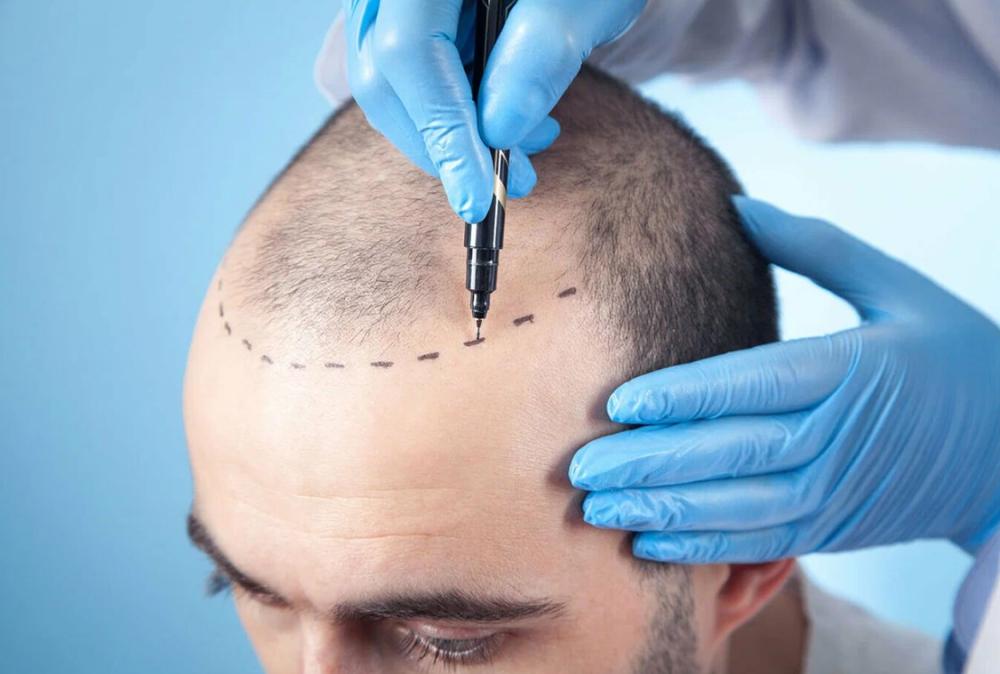
Recovery timeline after a hair transplant

Hair transplantation is a surgical procedure designed to restore hair in areas affected by thinning or baldness. While the procedure itself is often minimally invasive, the recovery period plays a crucial role in ensuring optimal results. Understanding the recovery timeline helps patients manage expectations, adhere to aftercare instructions, and minimize complications. Recovery can vary depending on the method used (FUE, FUT, DHI), the patient’s health, and the extent of hair loss, but most people experience a broadly similar progression over the weeks and months following surgery. If you are experiencing hair loss, exploring hair transplant in Dammam can be an effective way to restore natural hair and confidence.
Day 0–2: Immediate Post-Operative Phase
The first 48 hours after a hair transplant are critical. During this phase:
-
Graft stabilization is essential. Newly implanted follicles are fragile, and excessive movement or friction can dislodge them.
-
Scalp swelling and redness are common, particularly in the forehead and around the eyes. Swelling usually peaks on day two.
-
Mild discomfort or soreness may occur at both the donor and recipient areas. This is typically manageable with prescribed painkillers or over-the-counter medications.
-
Patients are advised to avoid touching, scratching, or washing the transplanted area aggressively. Gentle rinsing may be permitted under the surgeon’s guidance.
During this early phase, it is common for tiny scabs to form around each implanted graft. These scabs are a natural part of healing and should not be forcibly removed, as this can affect the survival of the follicles.
Days 3–7: Early Healing
By the third day:
-
Swelling usually begins to subside, although some patients may still experience mild puffiness.
-
Redness and minor soreness continue but gradually diminish.
-
Tiny scabs or crusts around the transplanted follicles begin to harden. These serve to protect the new grafts.
During this week, patients may start washing the scalp very gently using a specialized shampoo recommended by the surgeon. Hair follicles remain delicate, so care must be taken to avoid rubbing or direct pressure. Many surgeons also recommend avoiding strenuous activity, heavy lifting, or exercise that could cause excessive sweating, as this can increase the risk of infection or disrupt the healing process.
Week 2: Shedding Phase Begins
Approximately 10–14 days after the procedure, many patients notice that the transplanted hair begins to shed. This phenomenon, often called “shock loss,” is normal and expected. It occurs because the hair shaft falls out while the follicle remains intact and continues to produce new hair.
During this stage:
-
Minor redness or mild sensitivity may still be present.
-
Scabs should have naturally fallen off by now.
-
Patients can usually resume most daily activities but should continue to avoid excessive sun exposure or trauma to the scalp.
The shedding phase can be alarming for some patients, as the initial density achieved during surgery may appear to decrease. Surgeons typically reassure patients that new growth will begin within a few months.
Weeks 3–4: Early Recovery Milestones
By the end of the first month:
-
The transplanted area is usually fully healed in terms of scabs and minor irritation.
-
Redness may persist in some cases but generally fades significantly.
-
Hair follicles enter a resting phase, preparing for new growth.
During this period, patients can often return to normal hair care routines, including gentle shampooing and conditioning. However, it is still advisable to avoid hairstyles that place tension on the transplanted area, as well as chemical treatments such as dyes or strong hair products that might irritate the scalp.
Months 2–3: Initial Hair Growth
Two to three months post-surgery, the hair follicles start producing new hairs. These early hairs are usually thin, fine, and lighter in color than the surrounding natural hair. This is a completely normal stage of growth.
Patients may notice:
-
Gradual filling in of previously bald or thinning areas.
-
Continued improvement in scalp texture and reduction of any residual redness.
-
Possible minor irritation or itchiness as the new hair emerges.
It is important to maintain patience during this stage, as early growth may seem slow, and results are not yet fully visible. Consistent use of recommended hair care products, along with proper nutrition and avoidance of trauma, supports optimal growth.
Months 4–6: Noticeable Hair Growth
By four to six months:
-
Transplanted hair becomes visible and denser.
-
Hair shafts thicken and blend more naturally with existing hair.
-
Many patients experience increased confidence as noticeable improvements appear.
At this stage, patients may resume moderate exercise, sun exposure, and normal hair styling, although they should continue to avoid harsh chemical treatments or excessive heat. Some clinics recommend gentle massaging of the scalp to improve circulation and follicle health.
Months 6–12: Full Results Emerge
From six to twelve months post-surgery:
-
Hair continues to thicken and mature, reaching its final density and texture.
-
Any minor irregularities or gaps are typically resolved.
-
Full aesthetic results are usually visible by the 12-month mark.
Patients who had FUT may notice the donor area scar fading over time, while those with FUE usually have minimal visible scarring. Maintaining healthy hair care habits, including proper nutrition, scalp hygiene, and avoiding trauma, ensures the best long-term results.
1–2 Years: Long-Term Stability
In some cases, hair maturation continues slightly beyond the first year. Hair transplantation provides permanent hair growth from the transplanted follicles, as these are genetically resistant to hair loss. Follow-up appointments may be recommended to assess growth, address any thinning of surrounding hair, and provide guidance on long-term hair maintenance.
Conclusion
The recovery timeline after a hair transplant is a gradual process involving multiple phases: immediate post-operative care, scab formation, shedding, initial growth, and final maturation. While some effects, such as redness or scabs, resolve within a few weeks, full results typically take 9–12 months to become apparent. Understanding this timeline allows patients to manage expectations, adhere to aftercare instructions, and enjoy optimal outcomes from their hair restoration procedure. Proper care, patience, and communication with a qualified surgeon are essential for achieving natural and long-lasting hair growth.


