








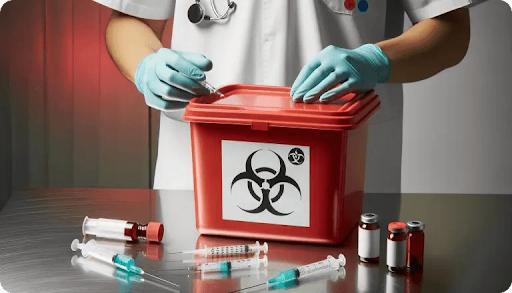
Healthcare Waste Management: Protecting Staff, Patients, Environment

Healthcare facilities generate a wide range of waste streams that require careful handling to prevent harm. Poor disposal practices expose staff to injuries, patients to infections, and communities to environmental contamination. In this context, healthcare waste management plays a vital role in maintaining safe clinical environments and regulatory compliance. From sharps and infectious materials to pharmaceuticals and chemicals, each category demands specific controls. Effective systems reduce risks, support sustainability goals, and protect public health outcomes. As healthcare services expand and patient volumes rise, structured waste processes become essential. Understanding how these systems function helps organizations consistently and safely make informed decisions.
Protecting Healthcare Staff From Occupational Risks
Doctors, nurses, technicians, and sanitation workers are exposed to potentially hazardous materials daily. Needle-stick injuries, contact with infectious waste, and chemical exposure are among the most common occupational risks within healthcare environments. These hazards not only threaten physical health but also increase stress and absenteeism among staff. Well-implemented healthcare waste management systems establish clear segregation, labeling, and handling procedures that significantly reduce these dangers. When waste is sorted at the point of generation and stored in approved containers, the likelihood of accidental exposure drops. Ongoing staff training further ensures that safety protocols are followed consistently across departments.
Safeguarding Patients and Preventing Infections
Patients entering healthcare facilities expect treatment environments that minimize additional health risks. Improper waste disposal can lead to cross-contamination, increasing the spread of hospital-acquired infections. This is particularly critical in areas such as operating rooms, intensive care units, and laboratories. By prioritizing healthcare waste management, facilities create controlled systems that prevent infectious materials from re-entering patient areas. Timely removal, secure storage, and appropriate treatment of waste help maintain hygienic conditions. For example, segregating contaminated dressings and sharps immediately after procedures reduces the risk of pathogens circulating within clinical spaces. These measures directly support infection prevention strategies, lower secondary infection rates, and reinforce patient trust in healthcare services.
Environmental Responsibility and Community Impact
Healthcare waste does not stop posing risks once it leaves a facility. If disposed of incorrectly, it can contaminate soil, water sources, and surrounding ecosystems. Incineration without proper controls may release harmful emissions, while landfill dumping can expose communities to hazardous substances. A structured healthcare waste management approach incorporates environmentally responsible treatment methods. These may include autoclaving, chemical neutralization, or specialized recycling programs for non-infectious materials. By reducing environmental impact, healthcare organizations demonstrate accountability not only to patients but also to the wider community they serve.
Compliance, Accountability, and Operational Efficiency
Healthcare waste handling is governed by strict regulations designed to protect public health and the environment. Non-compliance can result in fines, legal action, and reputational damage. Facilities must document waste generation, transport, treatment, and final disposal accurately. Effective healthcare waste management supports compliance by standardizing processes and maintaining clear records. Beyond regulatory benefits, these systems improve operational efficiency by reducing waste volumes, preventing costly incidents, and streamlining vendor coordination. Over time, this structured approach contributes to both financial stability and institutional credibility. It also fosters accountability across departments by clearly defining roles, responsibilities, and reporting mechanisms in waste handling practices.
Conclusion
Managing medical waste responsibly is a fundamental component of modern healthcare operations. When safety, infection control, environmental protection, and compliance are addressed together, organizations create resilient systems that support long-term care delivery. Coordinated logistics and trained personnel ensure that hazardous materials are removed without disruption, and services such as biohazard pick up play a critical role in maintaining continuity. By investing in comprehensive waste strategies, healthcare providers protect people, preserve ecosystems, and uphold the standards expected of essential health services worldwide. A proactive approach to medical waste management not only reduces risk but also reinforces public trust in healthcare systems that prioritize safety, responsibility, and sustainability.


