








How Pharmaceutical Waste Management Prevents Antimicrobial Resistance Risks
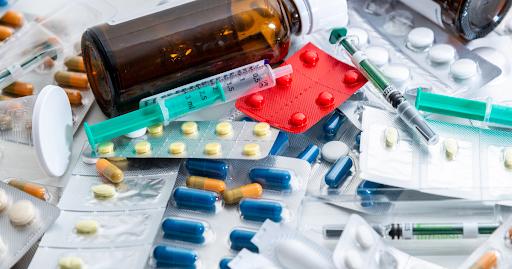
Antimicrobial resistance has become one of the most critical global health threats, driven partly by the improper disposal of medications and pharmaceutical byproducts. In many cases, expired drugs, unused antibiotics, and contaminated materials end up in landfills or water systems, where they contribute to the spread of resistant microbes. This is why pharmaceutical waste management plays a vital role in reducing environmental contamination and protecting public health.
Understanding the Link Between Waste and Resistance
How Improper Disposal Contributes to the Problem
The importance of pharmaceutical waste management in preventing antimicrobial resistance. When pharmaceutical products are thrown away with regular trash or flushed into wastewater systems, they introduce active antibiotic compounds into the environment. These compounds come into contact with bacteria in soil and water, encouraging the development of drug-resistant strains. Over time, these strains can spread to humans, animals, and ecosystems.
Environmental Impact of Unsafe Pharmaceutical Disposal
It is important to emphasize pharmaceutical waste management as a necessary approach to protect natural water sources and soil quality. Many antibiotics remain chemically active even after disposal. Once they enter waterways, they can disrupt aquatic life, contaminate drinking water supplies, and create environments where resistant bacteria thrive. Proper waste handling ensures these substances are treated, neutralized, or incinerated before they can cause harm.
Best Practices That Help Reduce Antimicrobial Resistance
Segregation and Safe Collection
Effective waste prevention begins with correctly classifying pharmaceuticals. Expired, unused, and contaminated medications must be separated from regular trash. Color-coded bins and sealed containers make it possible to prevent leakage, exposure, or accidental mixing with general waste. These initial steps minimize the risk of antibiotics entering the environment.
Secure Transport and Treatment Methods
Once collected, pharmaceutical waste must be transported using approved methods that protect handlers and the environment. This includes sealed packaging, tracked movement, and strict compliance with federal and state regulations. Treatment procedures vary, but common solutions include high-temperature incineration, chemical neutralization, or advanced thermal technology. These processes help destroy active antibiotic compounds, preventing them from contributing to resistance.
Disposal Programs for Pharmacies and Medical Facilities
Healthcare centers, clinics, and pharmacies generate large volumes of drug waste. Dedicated disposal programs ensure these facilities follow safe practices consistently. Staff training, scheduled pickups, and strict documentation further reduce the chance of environmental exposure. Many programs also provide reporting tools that help organizations monitor their environmental impact and maintain compliance.
The Direct Role of Waste Management in Reducing Resistance
Preventing Antibiotics From Entering Water Systems
Antibiotic pollution in rivers, lakes, and groundwater directly affects public health. When resistant bacteria grow in contaminated water sources, they can spread through human contact, livestock consumption, or agricultural use. Effective disposal methods ensure pharmaceutical compounds never reach these systems.
Protecting Communities and Future Generations
It is important to reintroduce pharmaceutical waste management to highlight how addressing drug waste today helps reduce antimicrobial resistance for years to come. By limiting environmental exposure to antibiotics, communities experience fewer resistant infections and maintain access to effective treatments. This approach protects vulnerable populations, reduces medical costs, and supports long-term public health goals.
Conclusion
The fight against antimicrobial resistance requires consistent commitment from healthcare providers, pharmacies, and waste disposal experts. Strong health care waste management practices ensure pharmaceuticals are handled safely from start to finish, helping prevent contamination and supporting a healthier, more sustainable future for all.


