








Signs Separating a Minor Twist From a Real Tear

We've all been there, that horrible moment when you catch your foot on the edge of a sidewalk or step funny on a basketball court and your ankle rolls completely sideways. Sometimes you get up and dance for a minute and shake it off, and you're good by dinner. Other times you hear a dull pop and the side of your foot balloons up before you can even remove your shoe. When that happens, researching torn ligament ankle care in Taunton is a whole lot smarter than just crossing your fingers and hoping it heals by itself.
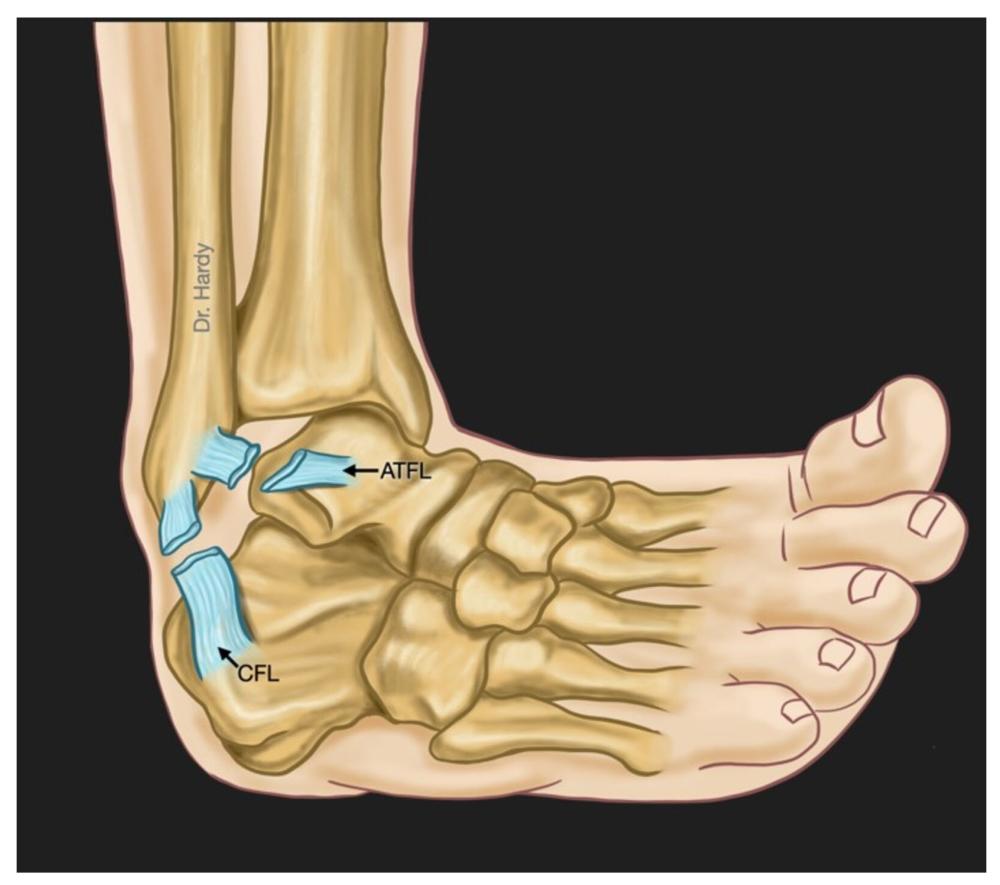
Many people don't realize that a bad sprain and a torn ligament are actually one and the same. Ligaments are like heavy-duty rubber bands that hold your ankle bones together. They are strong and stretchy. A mild sprain is just a little too far stretching of those fibres, while a moderate or severe sprain means the band is torn, either partially or completely.
You can usually see a tear pretty quickly. Classic signs are severe swelling within an hour, deep purple bruising that moves down your heel or toes, and sharp pain when you try to put weight on it. A big giveaway is a weird, unstable feeling. Like your ankle wants to buckle out from under you on flat ground.
The biggest mistake people make is slapping a stretchy drugstore bandage on it and trying to push through a normal work week. If a torn ligament heals stretched and loose, it loses its snap. That's how people get a "trick ankle" that rolls every time they step on a pinecone or walk across bumpy grass.
Seeing the joint in person removes the guesswork from recovery. Usually, a foot specialist will take quick X-rays to make sure you didn't chip a bone—which happens way more often than people think. They will also gently check how much looseness there is in the joint and, if necessary, use an ultrasound or MRI to see the exact size of the tear.
The good news is that most torn ankle ligaments heal really well without surgery. Instead of a flimsy elastic wrap that slides down your sock, you'll typically wear a sturdy lace-up brace or a protective walking boot for a few weeks. Now, keeping that joint still allows those torn fibres a clear shot to knit back together properly.
When the swelling goes down, that's where rebuilding strength really protects you long-term. Torn ligament ankle care in Taunton generally includes basic balance drills and resistance-band exercises to activate the small stabilizer muscles around your ankle and follow through. Those muscles are like safety cables if you walk on uneven ground.
Surgery is really only mentioned if the ankle is still chronically wobbly after solid rehab or if a high-level athlete has a complete tear that requires tighter stability. For most ordinary people, patience, the right brace and a few weeks of targeted exercises are enough to sort it out completely.
Conclusion
Rolled ankles are easy to shake off when life is busy, but a torn ligament takes more than a bag of ice and a couple of days off. If you give the joint the proper support immediately, then rebuild your balance, you will avoid years of frustrating re-injuries. Take it seriously now, and your ankle will be solid and reliable for the long run.


