








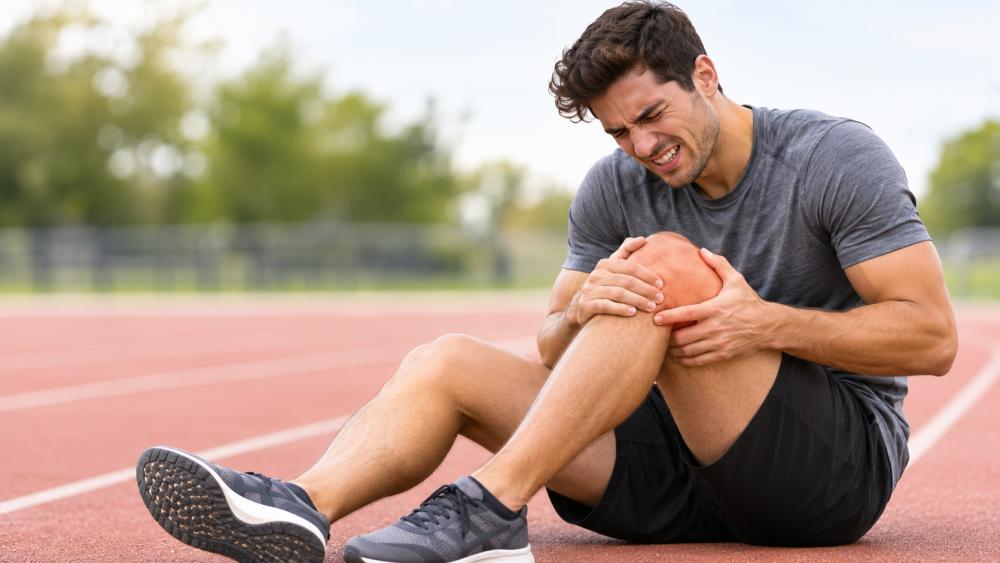
Sports Injury Pain That Won't Go Away? Here's What to Know in Rowlett

Sports injuries can happen during football, basketball, running, cycling, weightlifting, and everyday exercise. Sudden movements, falls, repetitive stress, and direct impacts can affect muscles, ligaments, tendons, joints, and the spine. Some injuries improve within a few days or weeks, but others cause pain that continues long after the initial incident.
Sports injury pain that does not improve can interfere with mobility, sleep, exercise, and daily responsibilities. At Premier Pain Centers in Rowlett, TX, our pain management doctors evaluate sports-related pain and discuss treatment options based on the affected area, symptoms, and medical history.
What Happens to Your Body After a Sports Injury?
A sports injury can affect muscles, ligaments, tendons, joints, and surrounding nerves. When an injury occurs, the body begins an inflammatory response to protect damaged tissues and start the healing process. This response may cause swelling, tenderness, stiffness, and pain around the injured area. Sudden movements, falls, collisions, and repetitive physical stress can contribute to these injuries.
As the body begins repairing damaged tissues, pain and limited movement may interfere with exercise, walking, or daily activities. Some injuries improve with rest and appropriate care, but others may involve ligament damage, joint problems, or nerve irritation. People experiencing sports injury pain in Rowlett TX, can seek a medical evaluation to identify the affected structures and discuss suitable treatment options.
Common Sports Injuries That Can Affect Your Mobility
Sports injuries can involve different parts of the body depending on the activity, movement, and physical stress involved. Some conditions cause localized pain, whereas others affect surrounding muscles, joints, or nerves.
Knee Injuries
Knee injuries commonly occur during sports involving running, jumping, sudden stops, and changes in direction. These movements can place stress on the ligaments, cartilage, and other structures supporting the knee joint.
Symptoms may include swelling, stiffness, instability, and difficulty walking or climbing stairs. People experiencing sports-related knee pain in Rowlett, TX, may require medical evaluation when symptoms interfere with movement or athletic activities.
Shoulder Injuries
Shoulder injuries may develop during weightlifting, swimming, baseball, tennis, and other activities involving repetitive overhead movements. These motions can affect the rotator cuff, tendons, muscles, and shoulder joint.
Shoulder pain may increase when lifting the arm, reaching overhead, or sleeping on the affected side. Weakness and reduced movement may also develop, making routine activities more difficult.
Back and Spine Injuries
Back injuries can occur during weightlifting, gymnastics, golf, running, and contact sports. Sudden twisting movements, excessive spinal loading, and improper lifting techniques may strain muscles, ligaments, or spinal structures.
Athletes experiencing back pain after sports in Rowlett, TX, may notice stiffness, muscle spasms, or pain extending into the legs. Some injuries may also involve spinal discs or nerve irritation.
Ankle and Foot Injuries
Ankle sprains frequently occur when the foot rolls or twists unexpectedly during running, jumping, or landing. These movements can stretch or tear ligaments responsible for maintaining ankle stability.
Symptoms may include swelling, bruising, tenderness, and difficulty bearing weight. Severe injuries may require imaging to investigate possible fractures or significant ligament damage.
Hip and Muscle Injuries
Hip injuries and muscle strains can develop during sprinting, cycling, soccer, and weightlifting. Sudden acceleration, repetitive movement, and overstretching may affect muscles, tendons, and structures surrounding the hip joint.
Symptoms may include tenderness, muscle tightness, weakness, and difficulty moving comfortably. Athletes experiencing hip pain or muscle injuries may need additional evaluation when symptoms do not improve.
Why Does Sports Injury Pain Last Longer Than Expected?
Sports injury pain may continue when damaged tissues have not fully recovered or when an underlying condition remains untreated. Repeated physical stress, inadequate recovery time, and returning to exercise too early can contribute to symptoms that last longer than expected.
Several factors may contribute to prolonged sports injury pain:
-
Ligament damage: Injured ligaments may require extended healing and rehabilitation.
-
Tendon injuries: Repeated stress can contribute to tendon irritation or degeneration.
-
Joint inflammation: Swelling and irritation may restrict movement and cause pain.
-
Nerve irritation: Injuries affecting nearby nerves may cause tingling, numbness, or radiating pain.
-
Spinal disc problems: Disc injuries may contribute to back pain or nerve-related symptoms.
-
Repeated injuries: Returning to demanding activities before recovery may aggravate injured tissues.
Warning Signs That Your Sports Injury Needs Medical Attention
Some sports injuries cause temporary soreness, but certain symptoms may indicate damage involving joints, ligaments, muscles, or nerves. Medical attention is important when pain limits movement, interferes with daily responsibilities, or continues despite appropriate initial care.
Watch for these warning signs:
-
Pain that increases during exercise or movement
-
Swelling or bruising around an injured joint
-
Difficulty walking, running, or lifting objects
-
Numbness or tingling in the arms or legs
-
Muscle weakness following an injury
-
Reduced movement in the neck or back
-
Joint instability or difficulty bearing weight
-
Pain that interferes with sleep or daily activities
How Do Doctors Diagnose Sports-Related Pain?
Diagnosing sports-related pain begins with reviewing how the injury occurred, the location of symptoms, and the activities that make pain worse. A pain management doctor in Rowlett TX may also review previous injuries, medical history, medications, and treatments already attempted.
A physical examination helps evaluate joint movement, muscle strength, sensation, tenderness, and stability. Depending on the symptoms, imaging tests such as X-rays or MRI scans may be recommended to investigate possible injuries involving bones, ligaments, tendons, spinal discs, or surrounding tissues.
Sports Injury Pain Treatment Options in Rowlett, TX
Treatment for sports injuries depends on the type of injury, severity of symptoms, affected body structures, and physical limitations. Some conditions respond to conservative care, but others may require rehabilitation, specialized medical evaluation, or additional pain management. Treatment options may include activity modification, physical therapy, rehabilitation exercises, medication management, and interventional pain management when clinically appropriate.
At Premier Pain Centers in Rowlett, TX, our pain management doctors evaluate sports-related pain and develop treatment plans based on clinical findings. Treatment focuses on reducing pain, improving mobility, and supporting daily activities. Certain injuries may also require orthopedic evaluation or specialized rehabilitation.
When Can You Return to Sports After an Injury?
Returning to sports depends on the type of injury, severity of tissue damage, treatment response, and physical recovery. Some minor injuries improve within a relatively short period, but ligament injuries, tendon damage, and spinal conditions may require longer rehabilitation.
Before returning to demanding physical activities, athletes should have adequate movement, strength, balance, and joint stability. Returning too early may increase the risk of reinjury or aggravate symptoms. A healthcare provider can help determine when activity progression is appropriate based on recovery and functional ability.
How Can You Prevent Another Sports Injury?
Preventing sports injuries involves appropriate training, physical conditioning, recovery, and safe movement techniques. Athletes and physically active adults can reduce certain injury risks by preparing their bodies for physical demands. Helpful prevention strategies include:
-
Warm up before exercise or sports activities.
-
Increase workout intensity at a manageable pace.
-
Use appropriate footwear and protective equipment.
-
Maintain proper lifting and movement techniques.
-
Strengthen muscles supporting major joints.
-
Allow adequate recovery between demanding workouts.
-
Avoid continuing activities that cause sharp pain.
-
Seek medical evaluation after significant injuries.
Sports Injury Pain Management at Premier Pain Centers in Rowlett, TX
Sports injuries involving the knees, shoulders, hips, back, and other joints can interfere with exercise, work, and everyday activities. Pain that continues after an injury may indicate the need for further evaluation to identify affected structures and determine suitable treatment options.
At Premier Pain Centers in Rowlett, TX, our pain management doctors provide evaluations and interventional pain management options for sports-related pain conditions. Our clinic welcomes people from Rowlett, Sachse, Garland, Rockwall, Wylie, Heath, and surrounding communities.
Schedule an appointment with Premier Pain Centers in Rowlett, TX, to discuss your sports injury symptoms and available pain management options.


